MY STORY

I did not set out to become a health-systems person.

I trained to treat patients. The system kept interrupting.

A missing specialist, a long referral, a piece of equipment that existed but did not work, a team member who knew the answer but was not in the official decision chain — these were not side stories. They were often the story.

CHAPTER 1

Mumbai: confidence was quietly subsidised by infrastructure.

CLINICAL TRAINING

A busy government hospital

Large teams, specialists, imaging, blood and backup taught me medicine at scale.

WHAT I DIDN’T YET APPRECIATE

The invisible privilege of backup

You can make a decision differently when help is down the corridor rather than hours away.

CHAPTER 2

Then distance became a clinical variable.

FIELD

District and rural care

In places like Gadchiroli, the higher referral centre could be roughly 170 km away. “Refer” stopped feeling like the end of a sentence.

THE QUESTION

The question changed

What is safely possible here, tonight, with the people, equipment and time that are actually available?

WHAT STAYED WITH ME

A hospital has an organisational chart. Expertise does not always read it.

Senior nurses, ward staff, junior doctors, data operators and other colleagues often understood parts of the hospital that formal hierarchy did not capture.

That is probably why I became interested in communities of practice, distributed expertise, implementation and the very unglamorous mechanics of getting people to talk to each other at the right time.

WHERE I AM NOW

The job title changes. These themes have been more loyal.

Global surgery

How essential operative care becomes available closer to where people live.

Implementation

Why technically sensible things fail, adapt or survive in real systems.

Policy

How plans move from documents to owners, budgets, timelines and decisions.

Communities

How people route expertise, learn together and make uncertainty less lonely.

Research

Using data to make the system visible — preferably with the denominator included.

Negotiation

Because changing a system usually involves people who do not report to you.

WHAT I AM TRYING TO GET BETTER AT

The personal implementation agenda.

Prioritise: not every useful problem needs my fingerprints.

Delegate: ownership is not the same thing as doing.

Be brief: clarity has a word limit, even when email does not.

Facilitate: leadership is often creating enough space for other people to think out loud.

Finish: sometimes 90% and submitted beats 103% and still in Drafts.
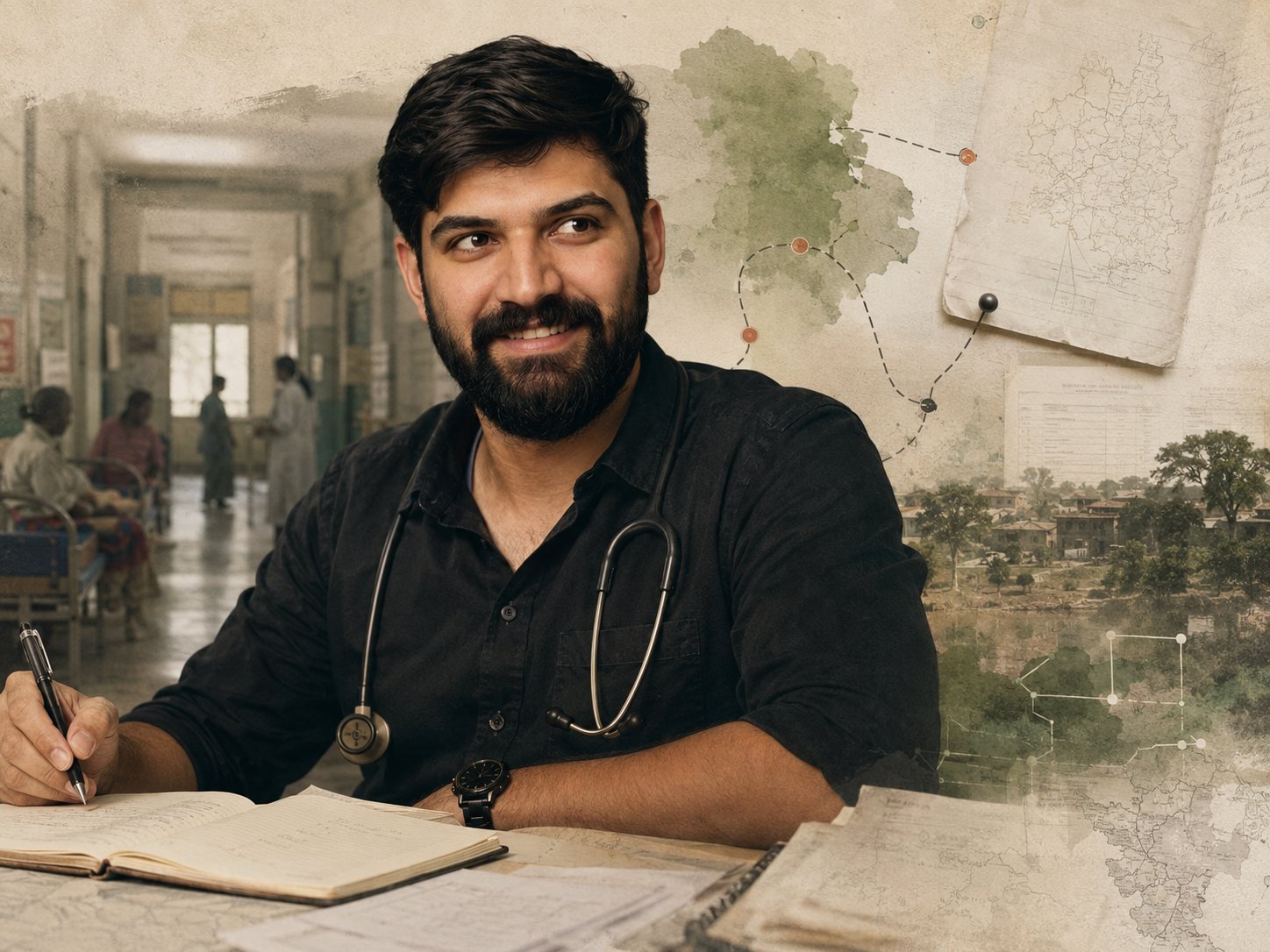
Priyansh Nathani
Doctor · global surgery · health systems · chronic question-asker

Built to explain the person behind the CV. The CV already has enough work.