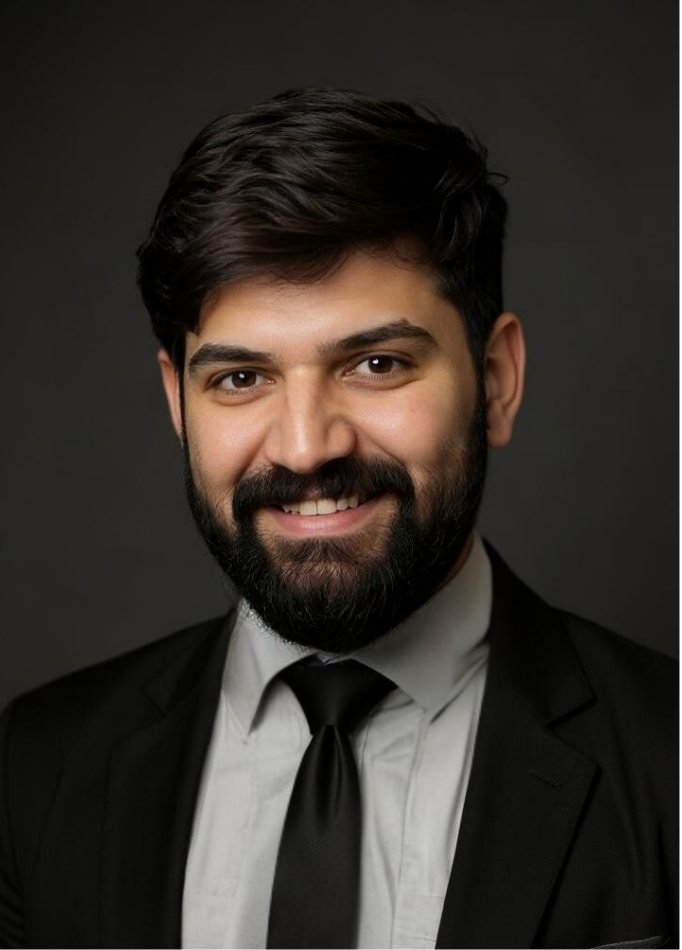
HI, I’M PRIYANSH.

I’m a doctor who got increasingly distracted by everything around the patient.

Somewhere between clinical medicine, global surgery, implementation, research and policy, I became obsessed with one question:

Why do sensible ideas behave so strangely when they meet real health systems?

Most days I am somewhere between a district hospital, a paper draft, a policy call, a WhatsApp group — and an unreasonable number of browser tabs.

THE 30-SECOND VERSION

A few things before the formal nouns arrive.

01

Doctor by training

Medicine gave me a useful intolerance for problems that remain theoretical when a patient is waiting.

02

Systems person by drift

I kept noticing that the interesting clinical question was often hiding an organisational one.

03

Curious by default

If I do not understand something, my first instinct is usually to read, ask, map it — and occasionally make a spreadsheet nobody requested.

04

Chronic over-committer

I have a strong reflex to say yes to useful problems. I am currently conducting implementation research on saying no.

THINGS I SEEM TO KEEP DOING

Patterns are just habits with better branding.

GOING DOWN RABBIT HOLES

A small question has a suspicious tendency to become six papers, three phone calls and a new opinion.

BUILDING SYSTEMS

There is a non-zero chance your meeting will leave with a tracker.

ASKING WHO ACTUALLY DOES THIS

A surprisingly efficient way to make a beautiful policy document slightly uncomfortable.

COLLECTING TEACHERS

Professors, nurses, residents, administrators, field workers, friends. Hierarchy is a poor filter for wisdom.

TRYING TO USE FEWER WORDS

This sentence is evidence that the intervention is ongoing.

HOW I GOT HERE

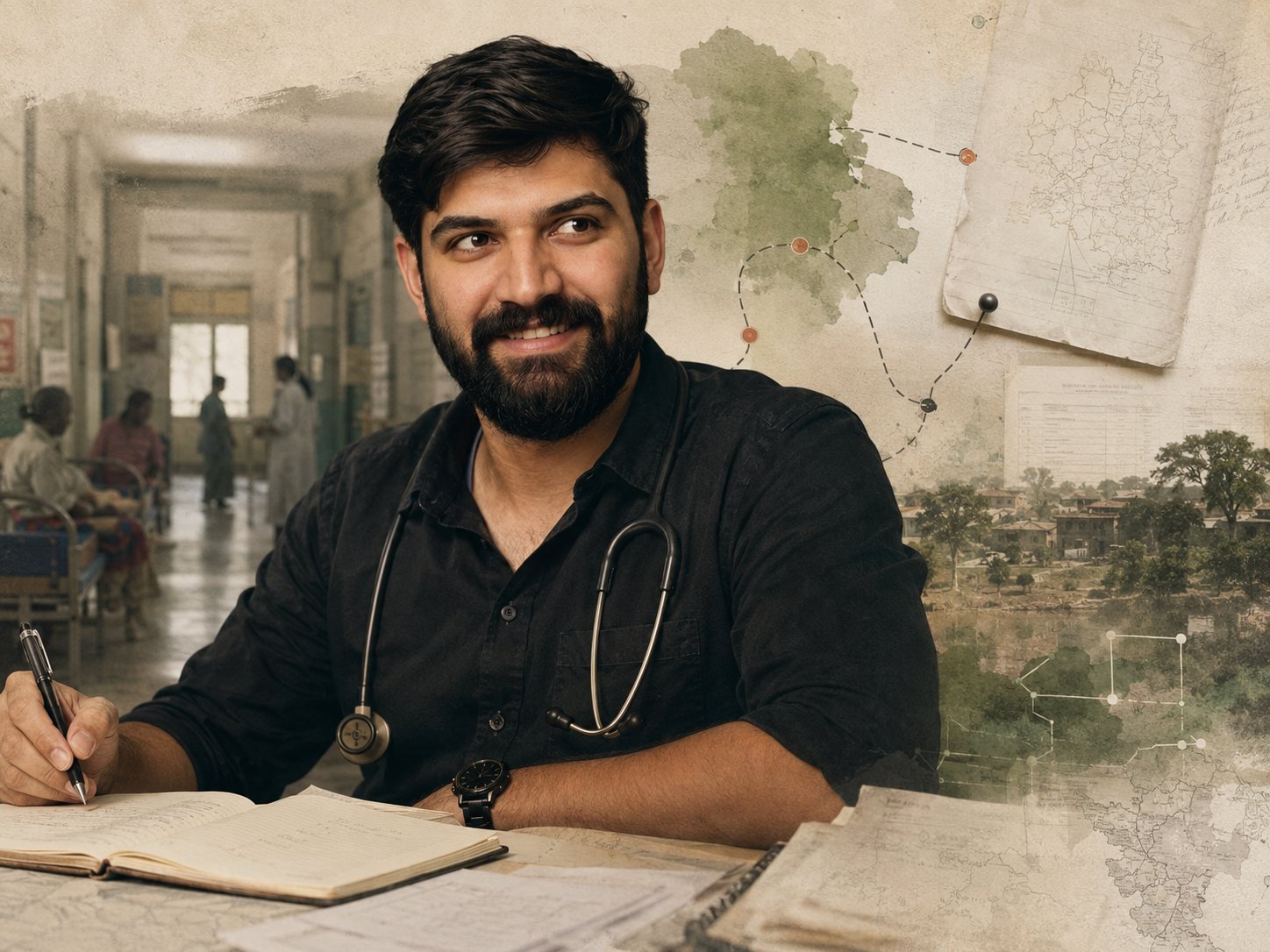
Clinical medicine gave me the patient. Rural medicine introduced me to the system.

I trained in a large urban government hospital in Mumbai, where specialist help, blood, imaging and colleagues were usually nearby.

Then I worked in district and rural settings where referral could mean hours of road, the night-shift doctor could become the unofficial dean of the hospital, and the most useful expert might not have been the most senior person in the room.

That changed the question for me from What should happen? to What can safely happen here, with what we actually have?
A SMALL PERSONAL OPERATING MANUAL

What generally gets the best version of me.

Difficult problems

Especially the ones that sit between disciplines and therefore belong to everyone and nobody.

Practical people

People who know what happens after the meeting, after the guideline and after 8 PM.

Clear ownership

I enjoy ambiguity in ideas. Less so in action items.

Humour

Serious work is not improved by everyone looking serious all the time.

Feedback

I ask for it often. I occasionally regret the comprehensiveness. Then I ask again.

Learning in public

I would rather revise a view than defend an outdated one elegantly.

CURRENT DEVELOPMENT PLAN

Fewer projects. Fewer words. Better delegation. More sleep.

That is not a productivity slogan. It is approximately the recurring theme of useful feedback I have received.

I like starting things, connecting people and building momentum. The next bit of leadership is choosing more carefully where that energy belongs — and leaving enough room for other people to lead.

Priyansh Nathani
Doctor · global surgery · health systems · chronic question-asker

Built to explain the person behind the CV. The CV already has enough work.